





How the Next Generation of Detroit Engines Works with Freightliner Trucks
Freightliner Performance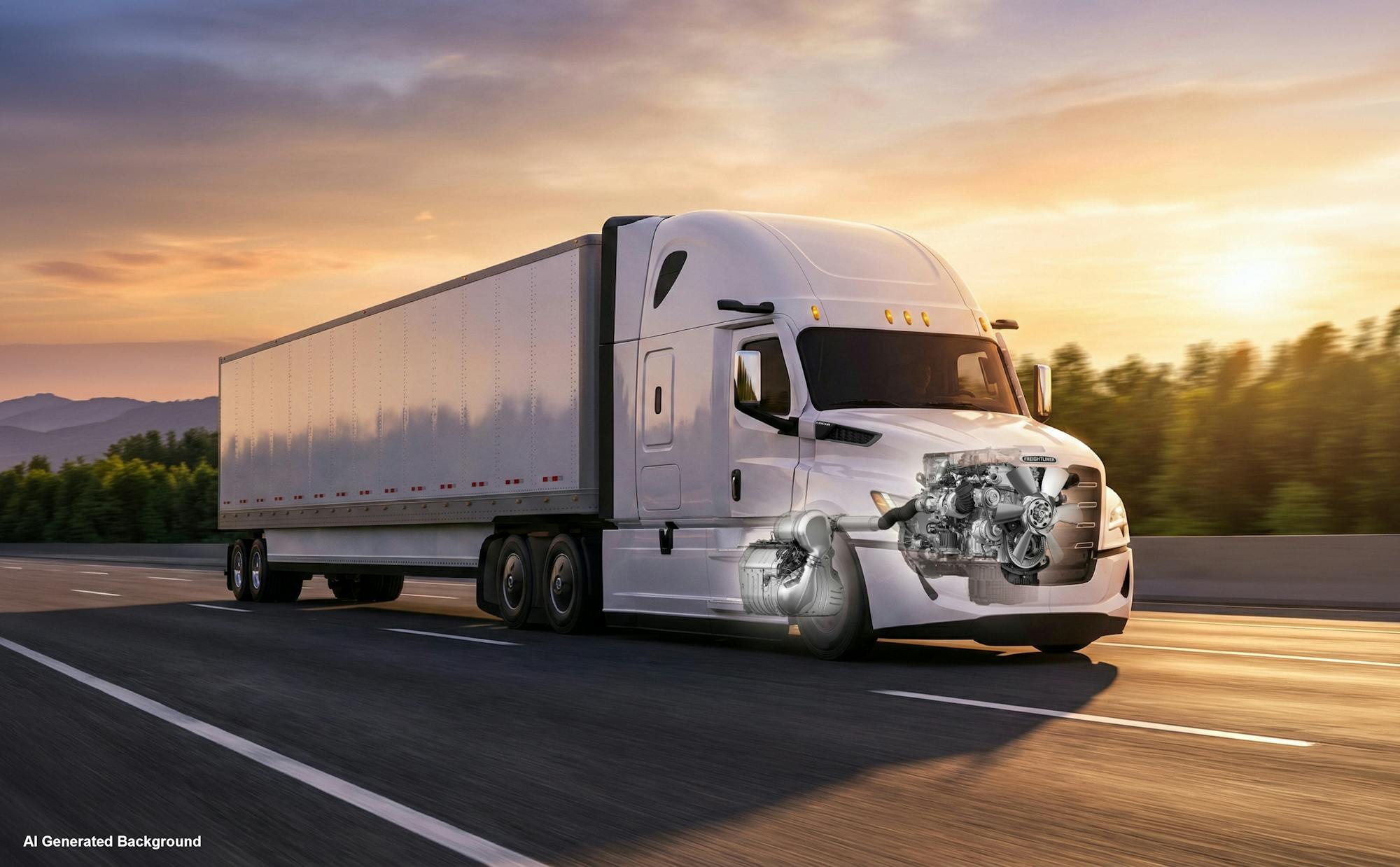
Freightliner trucks are expected to put in the hard work and the long hours.
Day after day, they start early and run consistently through traffic, weather, grades, and job sites. Fleets, owner operators, and drivers rely on them to pull their load, stay efficient, and come back ready to go again tomorrow.
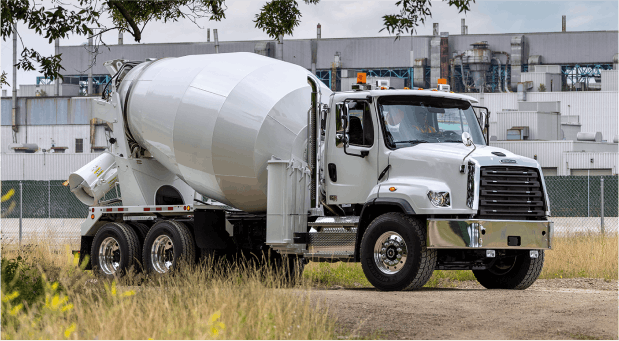
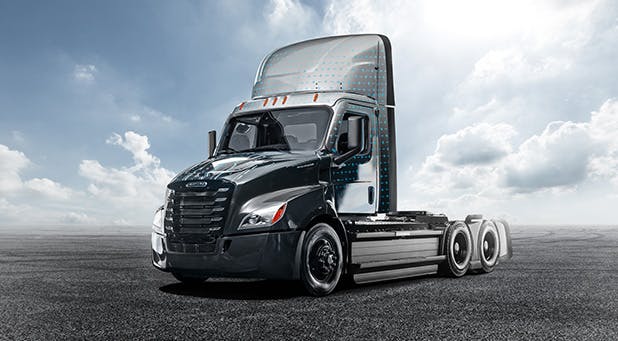
That’s why Freightliner® takes on the job with the power of Detroit® diesel engines. The recently introduced Gen 6 DD13®, DD15®, and DD16® engines are built to deliver integrated powertrain engineering as the preferred engine offerings for the Fifth Generation Cascadia® and the 114SD Plus.
What do these engines offer?
The Detroit Heavy Duty Gen 6 engines are designed to meet the upcoming 2027 EPA emissions standards without changing the way Detroit engines fit into your routine. They maintain familiar packaging in the truck and have a service approach that’s familiar to what Freightliner owners already know. What has changed are the areas that matter most: improved combustion efficiency and thermal management, enhanced aftertreatment performance, and stronger power delivery. Together, those upgrades make a meaningful difference in how confidently these trucks will work in the years ahead.
Built on a Proven Foundation
The foundation of the Detroit DD heavy-duty platform remains intact for a reason. With more than 1.2 million engines already sold since 2007, the core architecture has proven itself across linehaul, regional haul, and severe-duty applications. For Gen 6, approximately 75% of the platform carries over from the previous generation.
That carryover is key for maintaining known dimensions, familiar service procedures, and predictable integration with Freightliner chassis and upfits. Engines and aftertreatment systems maintain the same overall shape and packaging. This means back-of-cab equipment, wheelbase options, and body configurations remain unchanged. That continuity allows Freightliner customers to adopt the next generation of engines without requiring major changes to body configurations for vocational applications or retraining service technicians on radically different technologies.
Detroit engineers focused on making changes that are purposeful, relevant, and deliver improvements that make a real difference in the day-to-day work—starting with combustion.
Combustion with Up to 3% More Fuel Efficiency
For drivers, combustion improvements aren’t something you see on a gauge, but you feel them in how the truck behaves over the course of a long day.
What drivers feel on the road begins with the way the Gen 6 handles fuel, thanks to a redesigned combustion system engineered to make more efficient use of fuel.
A simplified fuel rail design delivers higher and more consistent fuel pressure, eliminating the need for amplified injections. This ensures uniform fuel delivery across operating conditions, which directly supports more stable combustion. In practical terms, the engine maintains smooth operation more efficiently. Whether it’s climbing a gradual grade or holding speed into a headwind, fuel delivery stays even and predictable.
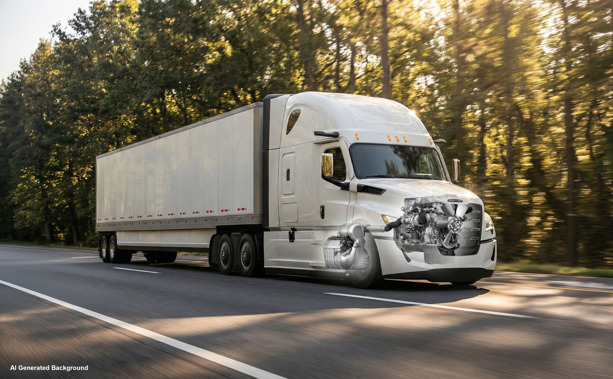
That fuel system works in combination with an improved asymmetric intake port and new fuel injectors. Together, they enhance air and fuel mixing inside the cylinder, increasing swirl and enabling triple-front combustion. By igniting the fuel more evenly across the chamber, the engine reduces heat loss and makes better use of each combustion event, instead of wasting energy that would otherwise be lost as excess heat.
Miller timing on the camshaft further reduces the work required during compression by modifying the size of the piston bowl. This allows the engine to achieve stronger, more efficient combustion without increasing physical engine size or adding mechanical complexity. For operators, that means the engine feels composed and efficient under load, rather than working against itself.
Depending on duty cycles and operation, this new platform offers up to a 3% increase in fuel economy compared to the previous generation of engines. In practice, these changes in efficiency pay off during the steady, repeatable conditions that make up much of a workday, like long highway stretches, rolling terrain, and consistent regional routes. These updates are designed to support fuel efficiency without requiring major changes to how the truck is driven.
And when combustion is working efficiently, it creates a stronger foundation for what comes next, delivering power where and when demanding work requires it.
Power That Can Handle the Demands of the Job
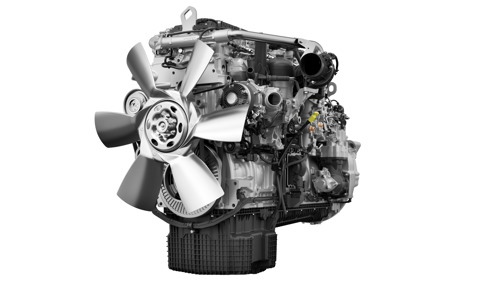
Power and performance are crucial in supporting Freightliner trucks across a range of applications. The Detroit Gen 6 DD13, DD15, and DD16 engines are engineered to help trucks respond smoothly to the demands drivers face every day.
Gen 6 engines deliver elevated power with stronger torque at lower engine speeds.
- DD13: 410–525 HP with 1,450–1,850 lb-ft of torque
- DD15: 425–505 HP with 1,550–1,900 lb-ft of torque
- DD16: 560–600 HP with 1,850–2,050 lb-ft of torque
This allows operators to hold speed, reduce shifting, and move efficiently through changing conditions. Imagine guiding a loaded Cascadia up a long, sustained grade. With torque available earlier and held more consistently, your truck maintains its speed with fewer downshifts, even as terrain changes. When you’re navigating rolling hills or holding pace in variable conditions, power feels steady and controlled.
Additionally, the refined turbocharger has enhanced thermal management. It improves low-speed response and helps maintain consistent output at altitude, where changes in air density can typically be challenging for engine performance. For drivers running routes that cross elevation changes, that means predictable throttle response. For fleets, it means consistent performance across regions and applications.
Engine braking performance is also further refined, playing a critical role in daily operation. On long descents with a loaded Cascadia or during stop-and-go vocational work in a 114SD Plus, stronger and more responsive engine braking helps drivers manage speed confidently without riding the service brakes. That control can help reduce brake wear, support vehicle durability, and contribute to a smoother workday.
These improvements to torque delivery, turbo response, thermal control, and braking performance not only elevate how Gen 6 engines perform but also reduce the conditions that typically lead to forced regeneration. And that seamless performance helps trucks stay productive and on the move.
But strong, efficient power is only part of the equation. Gen 6 is designed so that performance and emissions systems work in tandem, supporting the aftertreatment system that works behind the scenes.
Aftertreatment Designed to Integrate, Not Disrupt
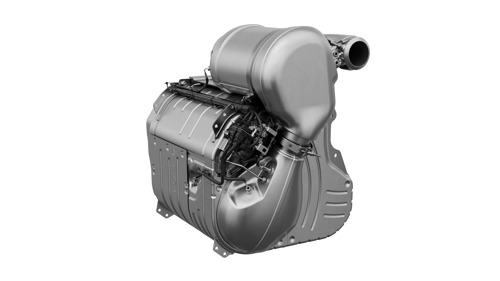
Though they work behind the scenes, aftertreatment systems are critical to meeting emissions requirements. When working efficiently, they help support fewer interruptions and more predictable engine behavior.
With the Gen 6, Detroit introduced a redesigned 1-Box aftertreatment system that builds on proven Selective Catalytic Reduction (SCR) technology. It improves thermal efficiency and emissions performance while staying fully compatible with Freightliner truck packaging and back-of-cab equipment.
A compact Pre-SCR component sits closer to the engine, helping the system reach optimal operating temperature faster, especially during cold starts. When paired with a thermal control valve, this configuration increases passive regeneration frequency and significantly reduces the need for parked regens. This translates to fewer unexpected stops or delays during a busy day and helps fleets improve uptime and operate across different routes or applications with more predictability.
With a Gen 6 engine, the aftertreatment system warms up quickly without extra heaters or additional electronics required. That means the SCR, DPF, and DOC components are already working efficiently to keep emissions low, while the truck stays lighter and easier to handle. Maintenance is familiar too—DPF parts haven’t changed—so if your truck heads back to the shop, the team can service it quickly and get you back on the road without delays.
Because of its design, the Gen 6 aftertreatment system reduces the output of soot, nitrogen oxides (NOx), and other harmful emissions. That helps fleets meet sustainability goals while supporting healthier communities.
At the same time, the system is fully designed to work in harmony with the rest of the truck, allowing Gen 6 engines to integrate seamlessly with the broader Freightliner and Detroit ecosystem.
Systems for Smarter Operation
Detroit engines, DT12® transmissions, and axles are engineered to work together as a complete powertrain.

When paired with the Detroit Assurance® Suite of Safety Systems, this integration extends to vehicle safety. Engine, braking, and control systems work together to support features such as Active Brake Assist and Side Guard Assist, helping drivers navigate traffic, job sites, and unpredictable conditions with greater confidence. This ensures that the high power and performance of Gen 6 engines never come at the expense of safety. This way, drivers can rely on the truck’s full capability while staying protected on every drive.
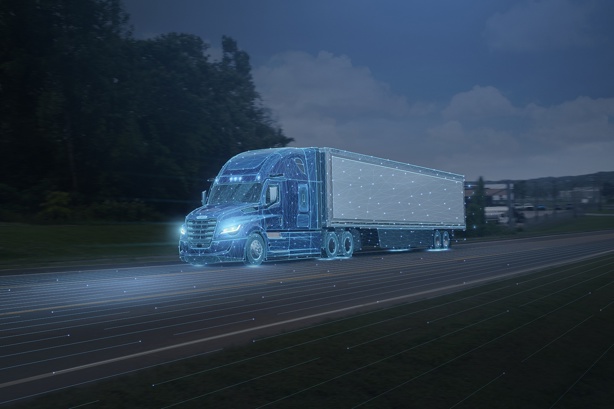
For fleet managers, Detroit® Connect provides real-time visibility into how trucks are actually operating. Tools like Fuel Analytics 2.0 turn vehicle data into actionable insight, helping fleets identify opportunities to improve efficiency. For example, a regional fleet owner might notice that one driver consistently uses more fuel on certain routes. With that insight, adjustments to driving habits, engine calibration, or route planning can be made to reduce fuel consumption. This maximizes the benefit of the engine’s power while controlling costs.
By connecting the engine, transmission, safety systems, and fleet management tools, the Gen 6 ensures trucks operate smarter, safer, and more efficiently, supporting both the driver on the road and the fleet behind the scenes.
Ready for 2027 and Beyond
Across the continent, fleet owners, drivers, and operators rely on their Freightliner to show up every day. Gen 6 continues that tradition, improving combustion, power delivery, and aftertreatment performance while keeping voltage, dimensions, and service intervals familiar. These engines deliver these gains while meeting upcoming EPA requirements, so trucks stay ready for the future without changing how they fit into your workflow.
That’s what integration looks like when it’s done right.
Learn More
- Explore Freightliner Cascadia and 114SD Plus
- Meet the Detroit Gen 6 Heavy Duty Engine Series
- Contact your local Freightliner dealer to discuss specifications and availability
- Sign up for the Freightliner eNewsletter to stay in the loop
Note: Production of the DD13 and DD15 will start in January 2027, followed by the DD16 in 2028.